
The Secret to Supremacy

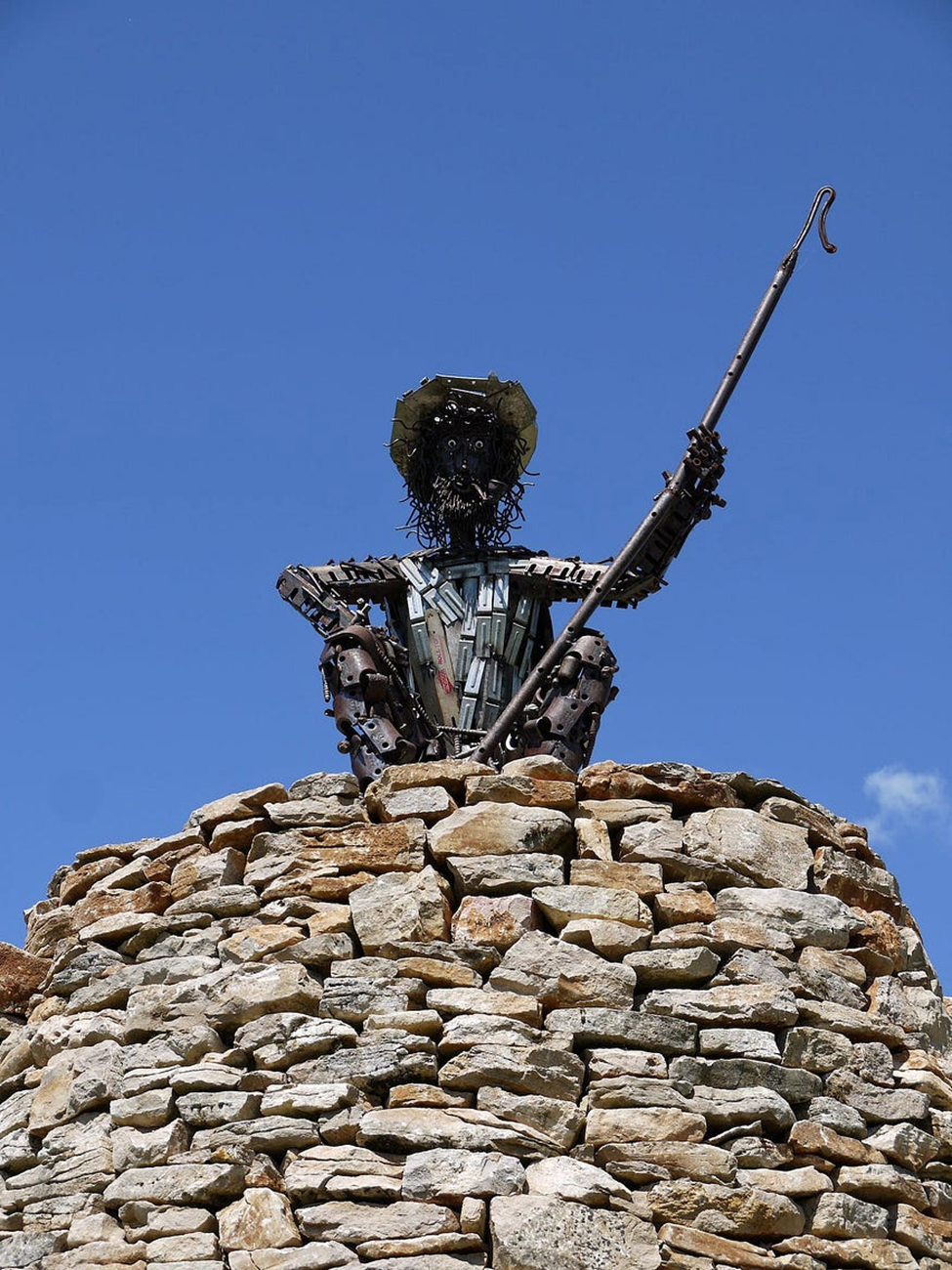
Photo by Eric Poussin on Pexels
When I picture the Israelites in Egypt just before the Great Exodus, I picture sweaty men digging mud from trenches and riffling through fields seeking straw.
But things didn’t start that way. Their ancestor Joseph had been an asset to the pharaoh he served and had made quite a name for himself in Egypt. As a result, the pharaoh welcomed his family to come and stay awhile.
And then, just what God said in the beginning would happen happened:
…the Israelites were exceedingly fruitful; they multiplied greatly, increased in numbers and became so numerous that the land was filled with them. (Exodus 1:6, NIV)
That’s good.
Then a new king, to whom Joseph meant nothing, came to power in Egypt. “Look,” he said to his people, “the Israelites have become far too numerous for us.” (Exodus 1:7, NIV)
That’s not.
So the nation that had been a blessing to Egypt became a threat, and the nation that had once been Israel’s sustainer was now their oppressor. All because the one with the power was wrestling with fear.
He said, ”Come, we must deal shrewdly with them or they will become even more numerous and, if war breaks out, will join our enemies, fight against us and leave the country.” So they put slave masters over them to oppress them with forced labor, and they built Pithom and Rameses as store cities for Pharaoh.”(Exodus 1:8–11, NIV)
“Dealing shrewdly” meant making the Israelites slaves, strengthening Egypt’s position in the region while wearing the Israelites out. He put them to work building stone cities to house rations and armaments for a time of war.
But it wasn't about the bricks.

It may not have been evident to His people, but YHWH was supervising their enslavement, and when He determined enough was enough, He sent His reluctant representatives to lead them to freedom.
Contrary to Moses’ pessimism, when God’s people heard the promise and believed their misery was ending, they did something they may not have done in decades. They worshipped.
Confidence boosted, Moses and his brother Aaron went before Pharaoh. They started small. Simply asked for a wee bit of time in the desert to worship their god.
You ask, was Moses being sneaky? No; I think Moses was being strategic.
Three days of worship in the desert would be enough to ignite hope and impart strength to the captives to endure the battle ahead. It would be a time of rest; a time to peer up out of the trenches and set their eyes on their Deliverer.
And here we arrive at the heart of the matter.
Pharaoh said, “Who is the Lord, that I should obey him and let Israel go? I do not know the Lord and I will not let Israel go.” (Exodus 5:2, NIV)
See, in Egypt, a pharaoh wasn’t just a ruler; the pharaoh thought he was god. His refusal to let God’s people go out into the desert to worship wasn’t about the bricks. It was about divine supremacy.
And so the contest began.

Water turned to blood. Pharaoh hardened his heart and the Egyptians had to dig wells.
Frogs covered the land. Pharaoh hardened his heart and his people’s houses were filled with the stink.
The Egyptians may have seen it — their god brought down a notch — but Pharaoh hardened his heart. He was foolish enough to believe he could bargain with God, pull the wool over His all-seeing eyes, get rid of the frogs, and go back on his promise. Hah!
When YHWH sent gnats like dust, Pharaoh’s magicians said, “This is the finger of God.” But Pharaoh hardened his heart. Swarms of flies invaded, but Pharaoh hardened his heart.
Though all their livestock died, Pharaoh was unyielding. And at that point, his fate was sealed. YHWH began cooperating with the pharaoh’s insistence to fight with God Almighty.
And God Almighty let him in on a secret:
For by now I could have stretched out my hand and struck you and your people with a plague that would have wiped you off the earth. But I have raised you up for this very purpose, that I might show you my power and that my name might be proclaimed in all the earth. (Exodus 9:15–17 NIV)
In other words, “I’m not concerned, not sweating the small stuff. You are just a willing pawn in a bigger battle, that I might be seen for who I am: ruler over all.”
But Pharaoh didn’t get it.
God sent soot and hail and locusts and darkness and finally Pharaoh said to Moses, “Get out of my sight and I will let your people go.”
But he was lying. Nothing had changed since he first said, “Who is the Lord, that I should obey him?”
His people knew it, his magicians knew it, his officials knew it, but he could not see it; he would not admit it: the God of Israel was greater.
Now here’s a question. Did the children of Israel know it? Could they see what God was doing from the trenches? Because the last we saw of them, they were still slaving, making bricks, discouraged and disbelieving, blaming Moses for their increased oppression (Exodus 5:19–23).
And who could blame them? Making bricks is hard.

At times God expressed anger at His people’s unbelief, but this time, He just gave them a bigger reason to believe.
Then the Lord said to Moses, “Go to Pharaoh, for I have hardened his heart and the hearts of his officials so that I may perform these signs of mine among them that you may tell your children and grandchildren how I dealt harshly with the Egyptians and how I performed my signs among them, and that you may know that I am the Lord.” (Exodus 10:1–2)
He had sent Moses not just to set His people free but to show them and those that came after them that YHWH was God. That He is greater. That He is supreme.
The snake in the garden knew it. Jesus’ tempter in the wilderness knew it. The man with the legion of demons knew it, and he made it very clear: “What do you want with me, Jesus, Son of the Most High God? In God’s name don’t torture me!” (Mark 5:7)
The enemy isn’t fooled. He knows who is supreme.
The question is, on a bad day, do we?

See, the chief desire of our adversary is not to make our lives miserable but to convince us he is greater than God. And he’ll do whatever he has to. He will cajole you like he cajoled Adam. He’ll tempt you as he tempted Jesus. He’ll give you cause to doubt the power of God, to be offended with God, to take a shortcut to God’s promise.
Or if all that fails, he’ll try to wear you out.
He’ll whisper that your works will buy the ear of God when God doesn’t seem to be listening to your prayers. He’ll even entice you to shout at him when you should be warring with the thoughts in your head.
For the weapons of our warfare are not carnal but mighty in God for pulling down strongholds, casting down arguments and every high thing that exalts itself against the knowledge of God, bringing every thought into captivity to the obedience of Christ, and being ready to punish all disobedience when your obedience is fulfilled. (I Corinthians 10:4–6)
If he can keep you angry or depressed or offended or exhausted, you’ll begin to believe he’s supreme.
See, the showdown in Egypt wasn’t about the bricks. It was about a fearful foe attempting to overthrow a big God through the weariness of His people.
We face that same enemy today. There is a way to beat him. It’s not by works; it’s not by “warfare.” It’s by worship. So stop looking at the enemy, lift your eyes out of the trenches, and fix your eyes on your Deliverer.


Comments